After an unforgettable stay in
Sevilla; filled with the passionate sounds of Flamenco, a unique architecture,
romantic gardens and some delightful food, it was time to head for
Portugal.First stop; its capital
Lisboa.This place and its history have
always fascinated me and I was keen to put the little Portuguese I knew to the
test.I expected some of the locals
would speak some Spanish but was quite surprised to meet quite a few who spoke
French.This I found out is due to the
large number of Portuguese tradesmen (principally in the building industry) who
have spent some time working in France.
Monastery of Jeronimos
The Bull Ring - Campo Pequeno
I had a few things I wanted to do
while in Portugal; sample their famous cod dishes, discover the Alfama
district; the famous old quarter of the city, listen to some Fado, the
traditional Portuguese musical expression and wander the streets of this
legendary city.
Triumphal Arch in Comercio Square
Lisboa Architecture
Lisboa is
the capital and the largest city of Portugal, with a population of around 2.7
million people.It is situated on the northern banks of the River
Tagus (Rio Tejo).The river established
Lisboa as a major Roman port with its estuary providing good protection from
the Atlantic Ocean.
Discovering the Streets of Lisboa
Interesting Balcony display
Lisboa is one of the oldest cities in the world and the oldest in
Western Europe.Ruled by a series of
Germanic tribes from the 5th century, it was later captured by the Moors.Prior to the 18th century, Lisboa had
experienced several significant earthquakes.In November 1755, the city was destroyed by another devastating
earthquake, which killed an estimated 30,000 to 40,000 residents and destroyed
85 per cent of the city's structures.After
this earthquake, the city was rebuilt largely according to the plans of Prime
Minister, The1st Marquess of Pombal.
The Statue of the Marques of Pombal - the Rebuilder of Lisboa
Much has been said about the many remarkable features of the
reconstructed Lisboa after this latest earthquake.I was instantly impressed by the grandeur of
its avenues, the imposing columns bearing the notable people who left their
marks on the city and the country.The
architecture of some of the buildings was a testimony of the rich history of
the city and the open spaces and various green areas were friendly and
welcoming.I was also fascinated by the
stunning Black and White mosaic on all the footpaths and public squares.
Statue Near the Rossio Square Fountain
The Impressive Mosaic Displays Are Everywhere
More Mosaic in the City
I Wonder How Much Time This Display Would Have Taken To Complete
During World War II, Lisboa was one of the very few neutral, open
European Atlantic ports, a major gateway for refugees to the U.S. and a haven
for spies. More than 100,000 refugees
were able to flee Nazi Germany via Lisboa.
We went on the traditional form of public transport in Lisboa; the tram.
These yellow trams (Line 28 is the most famous)
are not only used by tourist but by many locals as well.We were repeatedly told to watch out for
pickpockets.We couldn’t resist taking a
ride on a small motorised open-air taxis (similar to the ones you find in some
Asian countries).It was a lot of fun to
zoom in the streets and get a closer feel of the moment and the place.
The Famous Line 28 Lisboa Tram
The Other Famous Mode of Transport in Lisboa
Whether it was the cod dishes, pastries, wines or freshly squeezed
orange juice in the morning for breakfast, all the foods I tried left me very
impressed.I was also particularly taken
by the caring approach that Portuguese restaurants have about the food they
serve.
Grilled Cod and Steamed Vegetables - Simple but Delicious
Portuguese Pastries
Lisboa, is a city also known for its soulful Fado music.Fado is what it is to be Portuguese. There were various places where Fado was
performed.Rather than opting for one of
the many outlets that offer this kind of entertainment, we chose the
theatre.I hadn’t heard much Fado and
didn’t know much about it either.The
90-minute show was an absolute delight.A lot of emotion and musical talent go into Fado and what attracted me
most was the elegance of its language and the depth of the emotions.There is a huge difference between Flamenco
and Fado; two musical expressions from two countries located next to each other
and with so much history in common.
Statue Celebrating the Fado
The Reception Hall of the FadoTheatre
All in all, an unforgettable two days in Lisboa.I would like to return there one day.Our next destination; the medieval town of
Obidos.
We left Gibraltar behind and
headed to Cádiz.The luxuriant
vegetation and green fields as we drove reminded me more of French Normandy
than Spain.Quite a change from the
drier countryside I had seen so far during this trip.I also noticed a heavy concentration of
Parasol Pines everywhere along the road.After a pleasant and sunny drive, the city suddenly appeared.We only spent a few hours there but it was
sufficient time to discover the place and to sample some of its astronomical
delights.
The City of Cadiz
Cadiz Central Square
Cádiz, the oldest continuously inhabited city in Spain stands on a peninsula jutting out into a bay, and is almost entirely
surrounded by water.It was named Gadir
by the Phoenicians, who founded their trading post there in 1100 BC.It was later controlled by the Carthaginians,
until it became a thriving Roman port.It sank into oblivion under the Visigoths and Moors, but attained great
splendour in the early 16th century as a launching point for the journey to the
new lands of America.Christopher Columbus sailed from Cádiz on his
second and fourth voyages.In the early 19th century Cádiz became the bastion
of Spain's anti-monarchist, liberal movement.The city has
been a principal home port of the Spanish Navy since the 18th century.
Plaza San Juan de Dios - The Town Hall
Cadiz Architecture
Cádiz is, in most respects, a typically
Andalusian city.The older part of the
city is commonly referred to as the Old Town.It looks quite Moorish in appearance with its
narrow cobbled streets opening onto small squares.The
city is dotted with numerous parks where exotic plants including giant trees
supposedly brought to Spain by Columbus from the New World flourish.
The Narrow Streets of the Old Part of Cadiz
One of the Many Parks in Cadiz
In
recent years, the city has undergone much reconstruction. Many monuments, cathedrals, and landmarks have
been cleaned and restored.One of
Cádiz's most famous landmarks is its cathedral. It sits on the site of an older cathedral,
which burned down in 1596. The
reconstruction of the new cathedral was not started until 1776, and was built
over a period of 116 years.
The Cadiz Cathedral
The Main Entrance of the Cadiz Cathedral
As
we wandered the streets, we ran into a wedding.The guests all were waiting outside the church for the wedding party
which arrived in a vintage car.In
typical Spanish fashion, no one objected my joining the crowd and taking some
shots of the event.They were even
thrilled to know that the wedding images would make it all the way to
Australia.
The Wedding Guests Waiting for the Bridal Party
The Bride and her father Arriving at the Church
Happy Smiles for the Special Day
I
also visited a market place where a large noisy crowd gathers for lunch every
day.The people all stand around small
tables and do what Spanish people do best; talk incessantly, eat great food and
drink the local wine and beer that are served with an amazing speed from the many
food outlets; each offering their specialties.
Tasty Lunch at the Market Place
Sharing Good Food with Good Friends
The gastronomy of Cádiz
includes a
heavenly combination of local seafood and local wine which is unique in Cádiz. You will find there some of the best and
freshest fish and shellfish in the world. They are best eaten as simply cooked as
possible: plain boiled shellfish (from tiny prawns up to lobsters), grilled or
baked whole fish such as bass or bream, or deep fried with a light flour
coating.
Fresh Seafood at the Market
Fresh Tuna
In
most of the popular eating places which are heavily frequented by the locals, you
have to squeeze in, claw your way along the seafood display, order by weight at
the bar, and eat standing up if necessary.The staff is funny and fast, and the food –squid, stuffed spider crabs,
baby sole, langoustines etc. is simply delicious.
Clients Waiting for Their Table
The Take away section of the Restaurant
We
had lunch in one of these places.The
fresh tasty seafood, the noise of the bustling crowds inside, the sounds of a
jazz quartet playing just outside the restaurant, the staff running with huge
platters of piping hot food, the smells of the kitchen, local wine and beer and
the typical Spanish atmosphere all contributed to a most memorable and
delicious experience.
Assorted Fried Seafood for Lunch - Yumm
The Jazz Quartet Outside the Restaurant
Thank you for visiting my blog, I look forward to your company at the next post.
Our next stop was Málaga, the gateway to southern Spain and the
Costa del Sol; the birthplace of painter and sculptor Pablo Picasso and actor Antonio Banderas.It is a hectic city of nearly 600,000 people. Boasting one of the best climates in Europe, Málaga is now one of Spain’s hottest cultural,
gastronomic and leisure destinations.The
port and beach area, with its Michelin star restaurants, cocktail bars, fashion
boutiques, and beaches are all coming together to offer its visitors destination
of excellence.
The City Centre of Malaga
Malaga - view from the Castle
Málaga lies on the shores of the Mediterranean Sea.It is the second most populous city of
Andalusia and the sixth largest in Spain.There is an impressive
number of places and monuments to visit, including the 11th-century Alcazaba
fort and the Picasso Museum. The old
city is a haven for gourmets with countless taverns and bistros, each with good
food and great wines.
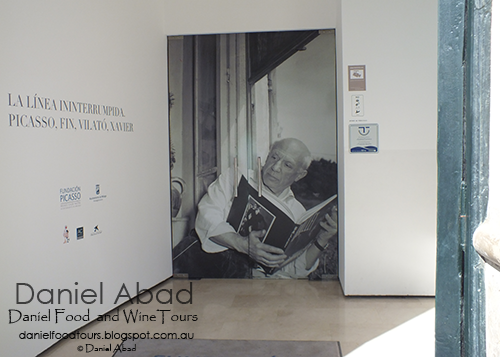
Entry to the Picasso Museum
Information Plaque
Picasso's Birth Place
Málaga's history spans about 2,800 years. It was founded by the Phoenicians as Malaka
about 770 BC. From 218 BC it was ruled
by the Romans. After the fall of the
empire it was under Islamic domination for 800 years.In 1487 it again came under Christian rule.
Moorish Garden and Bitter Orange Trees
The Architecture - apartments...
Malaga Architecture
Our daytime visit started with the bullfighting ring and its museum.I neither condemn nor condone this kind of
entertainment and the cruelty it inflicts on the animals.I simply look at it as one of the country’s
traditions and went there to get a better appreciation of what the Corrida is
all about.As such, the museum was a
very informative part of my stay in Málaga.The costumes and the folklore that go with this practice were fascinating.We then took a walk around, marvelling at all
the sights, the sounds and the smells of this incredibly beautiful and friendly
city.
The Makaga Bull Fighting Ring - Spain
The costume on display
The Bull Fighter's Traditional Costume
Leisurely Promenade in Malaga
One of many decorated balconies in Malaga - Spain
Decorated Balcony in Malaga
One of the many
“Must See” places is the Alcazaba;a Moorish fortress set high on a hill overlooking the city. We reached that place with the city tour bus, which
drops visitors off and picks them up at various points right through the day.On the way, the bus passed by of Málaga’s trendy suburbs with each house more
elegant than the next one.The breath-taking
views from the ancient walled fortress that look out across the city and out to
the Mediterranean Sea certainly made this visit extra special.
The Alcazaba Fortress
The fortress and gardens..
The Gardens Inside the Fortress
Málaga’s Renaissance Cathedral has a dominating
presence in the heart of the old town. Construction
started in 1528 after the city was conquered by Ferdinand and Isabella, and
finished in 1782.
The Malaga Cathedral
The Malaga Cathedral - view from the side
Another view of the Cathedral
At night time, the
city takes on a new look.Lights
everywhere, streets bustling with music, exuberant people everywhere and an
infectious sense of “Joie de Vivre” wherever we went.We spotted a restaurant where Flamenco was
performed at night and decided it would be the place to have dinner and enjoy a
taste of what Southern Spain entertainment is all about.We weren’t disappointed.The food was superb and the show a true
reflection of the passion and fire that runs in the veins of the people from
this most remarkable place.
Malaga Centre by night
The city colours.
Business building in Malaga
The Flamenco Restaurant and dancer...
The Flamenco Restaurant's interior
The Flamenco troupe on stage...
The Flamenco Troupe
The passionate and fiery dance...
Strength, timing and the passion of Flamenco...
The Flamenco Dancer
The beauty of the dancer
The passion of the Flamenco
Málaga is now one of the foremost gastronomical
destinations in Spain.From humble tapas
to high class restaurants, it is worth visiting the city, just to savour its food
scene, much of which using
the smaller fish (anchovies, mullet, mackerel)as well
as shellfish and on typical
recipes such as gazpacho.
Fresh Clams and Lemon Juice
More glorious food...
Grilled Prawns and Sea Salt
There are 15 beaches
within Malaga’s city limits.The beaches
are clean, family-friendly and accessible, with restaurant and bars offering
everything from traditional Pescaito Malagueño (fried mixed fish), to
Moroccan-style couscous and mint tea.
One of the beaches in Malaga
The beaches
The view of the beach from our Restaurant
We had a memorable
lunch at a restaurant overlooking the beach.Between the food and the view, we could have stayed there for ages; it
was simply perfect.
Our Restaurant by the beach
Delicious food
Vinegar battered fish pieces
Along with Malaga's
emerging food scene, there is a wine tradition that dates back to the
Phoenicians.Best known for its sweet
wines made from the Moscatel and Pedro Ximenez grape varieties; one mustn't go
home without visiting one of Malaga's traditional wine bodegas.